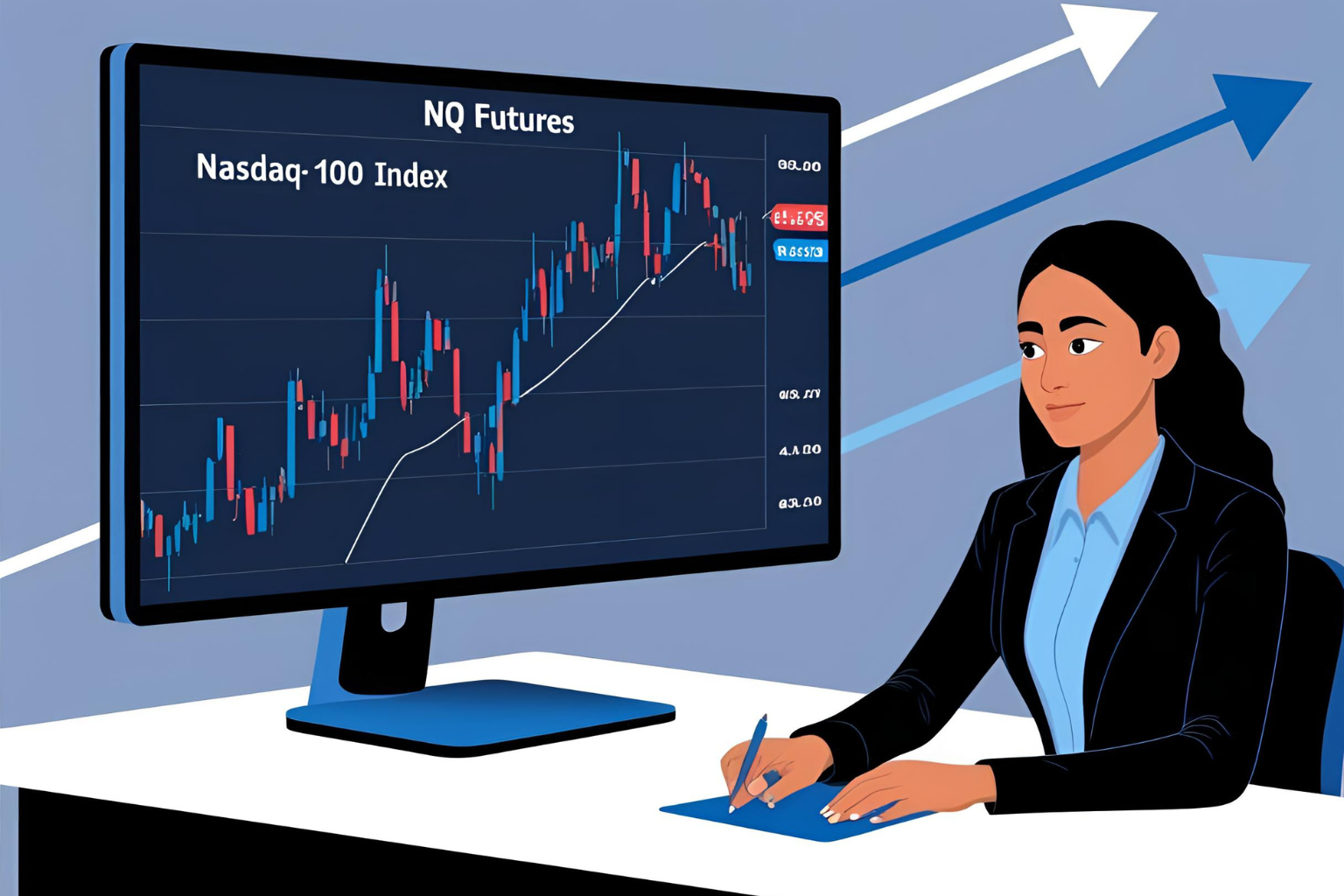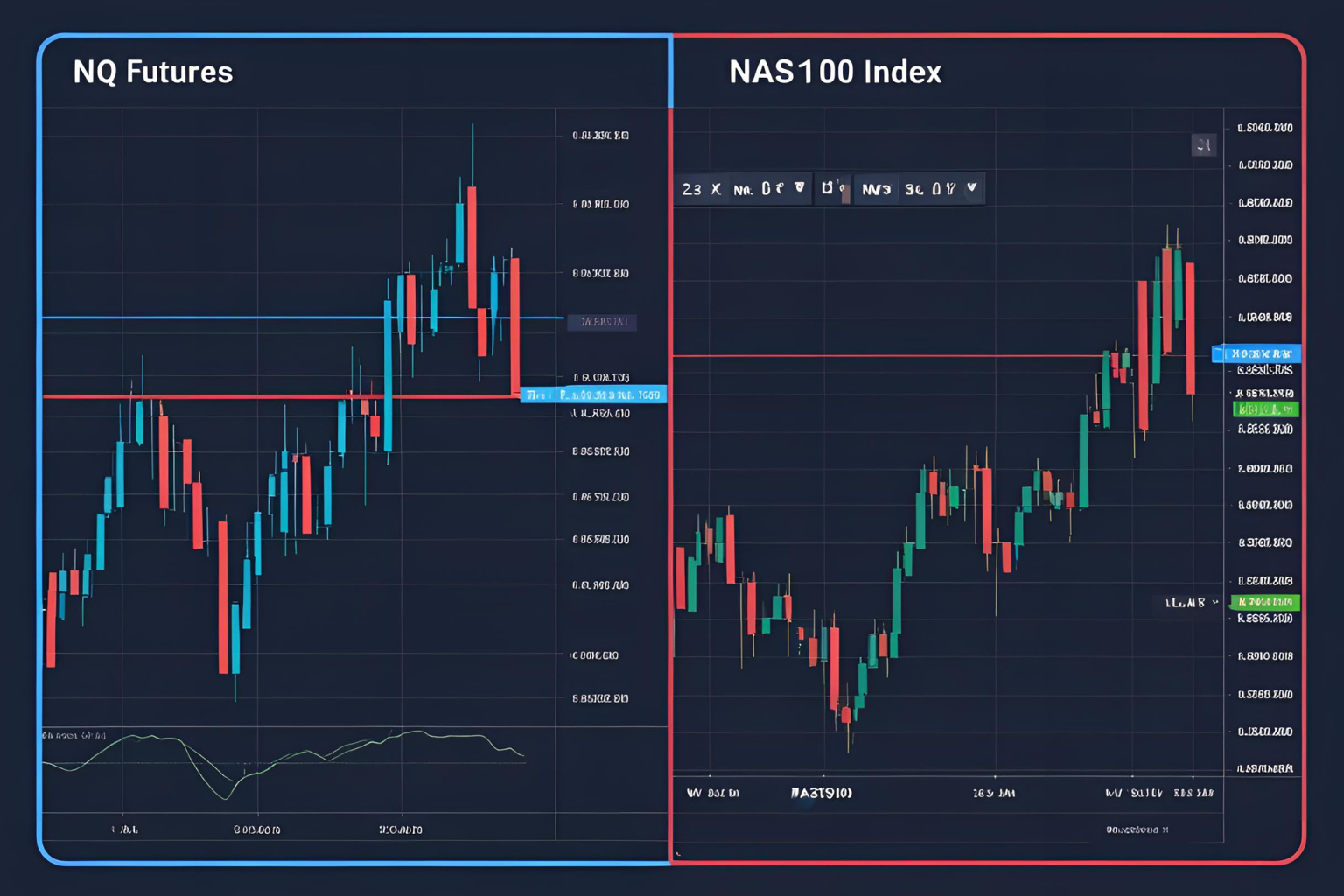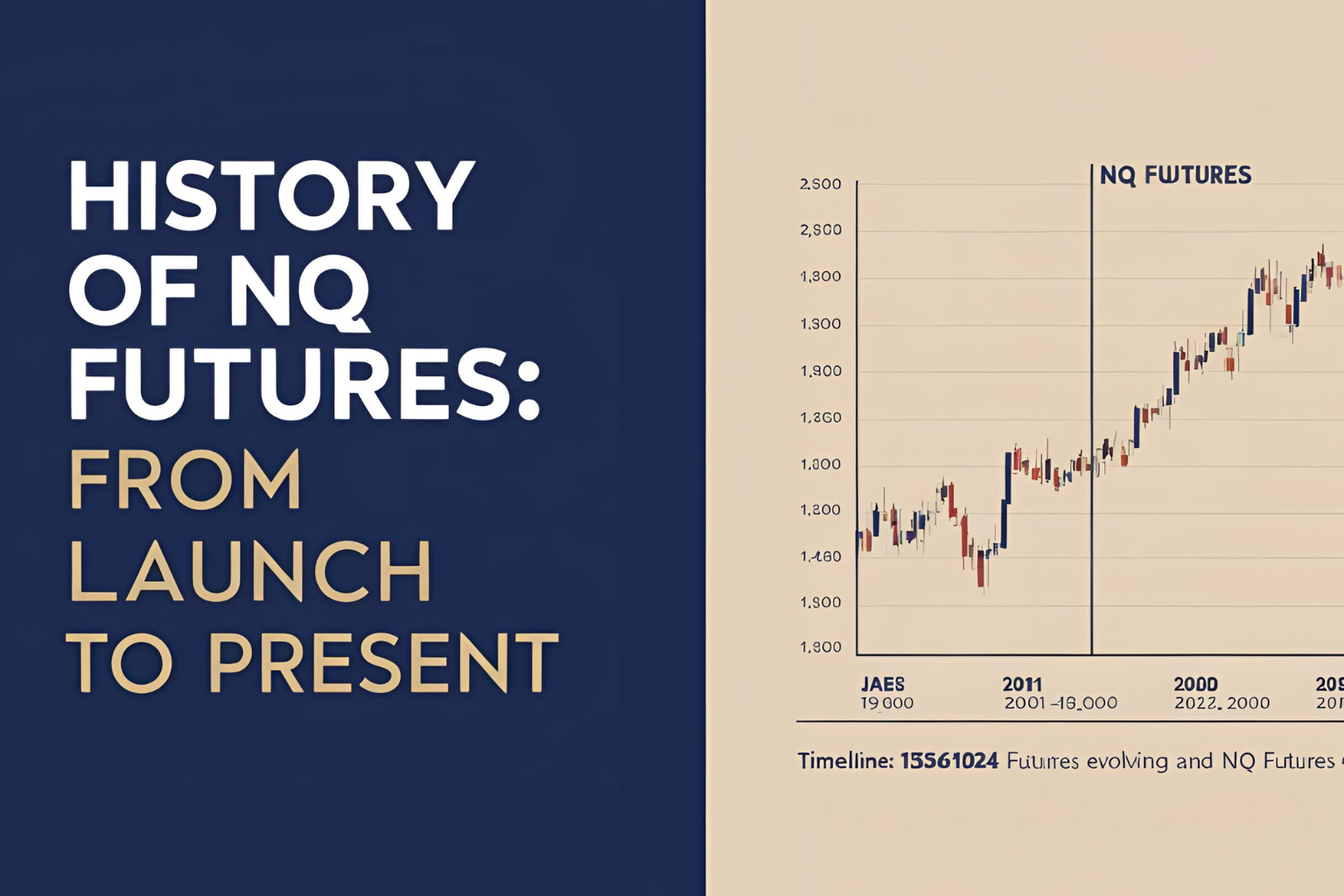
NQ futures, which represent the Nasdaq-100 index, are among the most actively traded equity index futures contracts in the world. Their journey from launch to widespread use reflects the evolution of technology-driven markets and the rise of electronic trading.
This article walks through the key milestones in the history of NQ futures.
The Birth of the Nasdaq-100 Index
The Nasdaq-100 Index (NDX) was introduced in 1985 by the Nasdaq Stock Market. It consists of the 100 largest non-financial companies listed on Nasdaq, with a strong focus on technology.
The rise of companies like Apple, Microsoft, Intel, and Cisco made this index highly appealing for investors and traders looking to participate in tech-sector growth.
Introduction of NQ Futures
To provide institutional and retail investors with a way to trade the index, the Chicago Mercantile Exchange (CME) launched the Nasdaq-100 futures contract under the symbol NQ in 1996.
It was part of the E-mini futures lineup, designed to be more accessible and cost-effective than traditional full-sized contracts.
Why Are They Called E-mini NQ Futures?
“E-mini” refers to “Electronic Mini,” meaning these contracts:
- Trade electronically on CME’s Globex platform
- Are smaller in size than full index futures
- Are suitable for active traders and smaller accounts
Growth in Popularity
In the early 2000s, NQ futures gained attention due to the dot-com boom, where tech stocks surged in value. Volatility increased, making NQ a favorite for day traders and institutional hedgers.
Over time, volume and liquidity increased, and the E-mini NQ became one of the most liquid contracts in the futures market.
Milestone: Launch of Micro NQ Futures
In May 2019, CME launched the Micro E-mini Nasdaq-100 Futures (symbol: MNQ), catering to smaller traders with a 1/10th contract size. This made trading NQ accessible to even more participants.
Why the History Matters
Understanding the history of NQ futures helps traders appreciate:
- The evolution of market access
- How technology has driven futures trading
- The reliability of NQ contracts as a price discovery tool
Related Posts
FAQs
1. When were NQ futures launched?
NQ futures were launched by the CME in 1996.
2. Why were E-mini futures introduced?
They were designed to offer more affordable, electronic access to equity index futures.
3. What triggered the popularity of NQ futures?
The dot-com boom and the rise of tech stocks drove more traders to the Nasdaq-100.
4. What is Micro NQ Futures?
Launched in 2019, MNQ contracts are 1/10th the size of standard NQ futures.
5. Is NQ one of the most traded futures?
Yes, it ranks among the top in global equity index futures trading volume.